26/08/2026
If you have ever booked rubbish removal in Chelsea and then watched the final bill creep up for...
Waste Disposal Chelsea provides practical waste disposal in Chelsea for homes, flats, offices and trade settings that need reliable removal of unwanted items and rubbish. The service covers a broad range of clearance work, from single bulky items through to fuller property clearances, with attention to sorting, loading and the responsible handling of waste streams. If you need a straightforward way to clear space and keep the job organised, this is the right starting point.
We handle everyday clearance tasks with a focus on safe collection, tidy loading and appropriate disposal routes. That can include mixed rubbish, furniture, appliances, builders’ debris, garden waste and commercial waste, depending on the job. For a fuller overview of the available services, you can review our services overview and then choose the most suitable route for your property or site. The aim is to make the process clear from the outset, without overcomplicating the visit.
Different jobs call for different approaches, so we separate waste disposal work into clear service types rather than treating every collection the same. A compact flat clear-out, for example, is not planned in the same way as an office clearance or a builders’ waste load. If you already know what needs moving, it is useful to request a quotation through the site and describe the main items at a high level. For broader guidance on what affects the price, our pricing and quotes page gives a sensible place to begin.
Household waste disposal in Chelsea often involves a mixture of bulky furniture, bagged rubbish, unwanted household items and small quantities of mixed materials that need separating before removal. We work with property owners, tenants and landlords who need a practical clearance service rather than a one-off skip solution. The service can suit a room clear-out, a move-out clean-up or a general declutter where a useful amount of waste has built up over time.
For homes and flats, one of the most important decisions is whether the job is best handled as rubbish collection, full clearance or targeted removal of a few large pieces. A clear description of the items usually helps determine the right approach. If you are comparing clearance options, our waste clearance and domestic waste collection pages set out the kinds of work each service is intended to support.
Bulky items need careful handling because they are awkward to move and may have to be taken apart before removal. Sofas, wardrobes, tables, mattresses and similar items are commonly part of domestic disposal work, while white goods and appliances may need separate handling if they contain electrical components or refrigerants. Our furniture disposal and white goods and appliance disposal pages cover those service areas in more detail.
Commercial waste removal in Chelsea needs a different rhythm from domestic work because offices, shops and shared premises often produce a steady mix of packaging, furniture, filing, old equipment and general rubbish. We support businesses that want premises cleared efficiently and with minimal disruption to the space they are using. That can include one-off clearances, routine disposal jobs or the removal of items left behind after a move, refit or storage change.
When planning a business clearance, it helps to think about what should be removed, what should stay in place and whether any items need careful separation before the load is taken away. Desks, chairs, shelving, archive materials and small office appliances may all appear in the same job, but they are rarely handled in exactly the same way. For a more specific commercial route, see our office clearance and commercial waste removal pages. If you are preparing an enquiry, a short summary of the premises and the main items is usually enough to start.
Some commercial jobs are not limited to one item type. Stockroom clearances, fit-out leftovers and mixed waste from small works can include cardboard, broken fixtures, packaging and redundant fittings. Those jobs benefit from a service that can sort the load carefully and avoid mixing materials unnecessarily. Where the work includes renovation debris or strip-out waste, the builders’ waste disposal service may be the better fit.
Some disposal jobs are best understood by item category rather than by property type. Heavy furniture, awkward appliances and larger fittings all raise practical questions about lifting, disassembly and where the item will be taken once collected. A clear item-based service is often the simplest route when you only need a few things removed and do not want a broader clearance. This is especially useful when the rest of the property is staying in use.
Our furniture removal and disposal services are designed for customers who want individual pieces taken away without the hassle of arranging their own transport. Sofas, beds, wardrobes, tables and similar items can be organised as part of a targeted collection. Where disposal also involves kitchen appliances, fridges, freezers or washing machines, the load may need a slightly different treatment. You can compare the options on our furniture removal, furniture disposal and appliance disposal pages before you ask for a quotation.
Useful preparation can be simple. If the items are awkward, boxed in or located up stairs, it helps to mention that early. If there are multiple floors, restricted access or items that need dismantling first, those details allow the job to be planned more accurately. For many collections, a brief list and a few clear notes are enough to decide how to proceed. Once that is in place, you can request a quotation and keep the process moving without unnecessary back-and-forth. Get in touch when you are ready to arrange the next step.
Builders’ waste disposal in Chelsea covers the materials left after small works, repairs, refurbishments and light construction activity. That may include timber offcuts, plasterboard, tiles, rubble, packaging, old fittings and general site rubbish. We focus on practical removal that keeps a project moving and helps prevent waste from building up on the floor, in hallways or outside the property. The service suits both professional trades and homeowners managing their own improvement work.
Site clearances need a sensible balance between speed and sorting. Different materials behave differently once they have been removed, so it is useful to keep heavy rubble separate from mixed waste where possible. For more targeted support, our builders’ waste disposal page explains the type of load this service is intended for, while the rubbish collection page is helpful where the waste is lighter, mixed and not tied to a construction project.
Two practical points matter on building jobs: access and loading space. Narrow entrances, limited parking or upper-floor collections can affect how a team approaches the work, while loose debris may need bagging or consolidation before removal. Clear access information and a sensible description of the waste usually make the quotation process more accurate. If you are planning a refurbishment and need the debris removed as part of the job, a concise enquiry is the best place to start.
Garden waste removal in Chelsea is usually about getting outdoor areas back under control after pruning, clearing, digging or tidying. Typical materials include branches, clippings, soil, leaves, hedge trimmings and other green waste, though some jobs also involve broken outdoor furniture or general garden rubbish. We keep the service straightforward so that a garden, patio or courtyard can be cleared without the delay of managing multiple disposal streams by yourself.
Where the waste is mainly organic, the job can often be planned differently from mixed rubbish removal. Heavy soil, dense roots and wood offcuts take up space in a different way from bags of cuttings, so an accurate description of the load is useful. If you want to see the service page for this category, our garden waste removal page explains the type of outdoor clearance we handle. For mixed household rubbish gathered during a garden tidy, the rubbish collection route may be more appropriate.
It is useful to mention the rough volume of waste, whether the material is bagged or loose, and whether there are any awkward access points such as side passages, steps or rear entrances. If old plant pots, fencing pieces or outdoor fittings are included, those should be noted as well because they may change the composition of the collection. A short, plain description is usually enough. After that, you can ask for a quotation and choose a collection time that fits the work already underway.
Waste disposal is not only about lifting items away. It is also about matching the right service type to the job so that waste is handled efficiently and the collection is organised around the real contents of the load. A single bag of rubbish, a house clearance and a business refit all need different planning, even if they end with the same outcome: a cleaner, more usable space. That is why service selection matters before the collection is booked.
Price factors usually depend on the job itself. Volume, item type, access, labour involved and any special handling needs all influence how a quotation is put together. For example, a straightforward ground-floor collection is very different from an upper-floor removal with narrow stairs or a mixed load that includes both furniture and rubble. If you want to compare the main service pages before you enquire, the waste disposal page is the broad starting point, while the prices page is useful for understanding how the service is described.
When the work is scoped clearly, the collection itself can usually be kept simple and orderly. That benefits household customers, landlords, agents and business owners alike because the practical details are agreed before the team arrives. A few accurate notes about the items, the entrance and the amount of waste can make a meaningful difference. If you are ready to proceed, send the details through and request a quotation.
Chelsea is a district in west London on the north bank of the River Thames, long associated with riverside views, historic streets and a dense urban character that differs from the more open residential pattern found in many outer boroughs. The area takes in landmarks such as Sloane Square, the King’s Road and Chelsea Embankment, all of which help define its identity as a compact but varied part of the capital. Its street pattern reflects a long period of development, with older terraces, mansion blocks and later infill standing alongside retail and cultural premises. Chelsea has a strong artistic and literary history, with associations ranging from the Chelsea Physic Garden, founded in 1673, to later twentieth-century design and fashion scenes that helped make the district widely known. The riverside setting is one of its most distinctive features, with Thames walks and embankment views providing a clear edge to the neighbourhood. Chelsea also contains well-known institutions and public spaces such as the Royal Hospital Chelsea, home of the Chelsea Pensioners, and nearby gardens and squares that add to the area’s visual character. Although the district is closely linked to Kensington and the wider Royal Borough of Kensington and Chelsea, it retains its own recognisable sense of place through its streets, shops, architecture and cultural associations. The result is an area that combines residential prestige, historical depth and busy local movement in a relatively small geography. Its mixture of old and new buildings, independent outlets and established landmarks gives Chelsea a layered urban identity that continues to be shaped by both heritage and contemporary city life.
House clearance and loft clearance work often comes at a point where items have accumulated over time and need to be sorted in a practical, manageable way. We deal with a range of contents, from furniture and boxed household goods to accumulated rubbish, storage items and mixed materials that are no longer required. The aim is to remove what is no longer needed while keeping the process organised and respectful of the property.
Lofts can be especially awkward because access is often tight and the contents are a mix of old belongings rather than single-item waste. That is why a loft clearance is usually treated as a specific service rather than a generic collection. If you are comparing options, our loft clearance and house clearance pages are a useful place to review the service scope. Where the job is more like a general property clean-out, the waste clearance page may also be relevant.
For both lofts and full-house jobs, it helps to think about the practical shape of the work rather than only the number of items. Stairs, loft ladders, roof rooms, narrow hallways and mixed storage contents can affect the best way to organise the clearance. If the property contains fragile or hard-to-reach items, mention that in your enquiry so the quotation reflects the actual task. A clear, well-described request makes it easier to move from planning to collection without delay.
Some customers want a broad waste disposal service, while others need something more specific, such as a single room clear-out, a business collection or the removal of one bulky item. Comparing the available options side by side is often the easiest way to choose the right fit. It is also useful when you are trying to decide whether your job is best treated as a disposal, a clearance or a collection of a defined item type. The more accurately the service matches the waste, the smoother the process tends to be.
For different kinds of removal work, the site pages provide a practical guide to scope and purpose. The waste disposal, rubbish collection and services overview pages are helpful if you are still deciding which path suits the waste you need removed. If you prefer to understand how charges are presented before you proceed, you can also review pricing and quotes and then narrow down the most relevant service page.
To keep an enquiry useful, give a short description of the waste, the location within the property and any features that might change the handling of the job. That is usually enough for a quotation request. Simple information tends to produce a more precise response than long, general explanations. When you are ready, choose the service that best fits the load and ask for a quotation.
If you need waste disposal in Chelsea for a home, office, garden or refurbishment, the simplest next step is to send a brief description of the items and the location. We can then match the work to the most suitable service type and keep the collection plan clear from the start. For customers who want to read a little more before sending details, the about us page gives a general introduction to the business, while the recycling and sustainability page explains the broader approach to waste handling.
Where compliance or reassurance matters, you may also wish to review the waste carrier licence and compliance information and the insurance and safety page before you proceed. Those pages are useful for understanding how the service is presented and what standards the website sets out. If you are ready to move ahead, take a moment to gather the item list, access notes and any special handling points so the quotation can be based on the real job.
Final step: send your enquiry now and ask for a quotation for the waste removal work you need in Chelsea. If you already know the service type, use the relevant page and include a clear note about the items, access and timing. We will take it from there.

GET A FREE QUOTE
With our professionals your junk has no chance!
Try our professional waste disposal Chelsea services available 7 days a week and enjoy our high quality services at budget-friendly prices.
 Tipper Van - Waste Disposal and Waste Removal Prices in Chelsea, SW3
| Space іn the van | Loadіng Time | Cubіc Yardѕ | Max Weight | Equivalent to: | Prіce* |
| Minimum Load | 10 min | 1.5 | 100-150 kg | 8 bin bags | £90 |
| 1/4 Load | 20 min | 3.5 | 200-250 kg | 20 bin bags | £160 |
| 1/2 Load | 40 min | 7 | 500-600kg | 40 bin bags | £250 |
| 3/4 Load | 50 min | 10 | 700-800 kg | 60 bin bags | £330 |
| Full Load | 60 min | 14 | 900-1100kg | 80 bin bags | £490 |
*Our rubbish removal prіces are baѕed on the VOLUME and the WEІGHT of the waste for collection.
 Luton Van - Waste Disposal and Waste Removal Prices in Chelsea, SW3
| Space іn the van | Loadіng Time | Cubіc Yardѕ | Max Weight | Equivalent to: | Prіce* |
| Minimum Load | 10 min | 1.5 | 100-150 kg | 8 bin bags | £90 |
| 1/4 Load | 40 min | 7 | 400-500 kg | 40 bin bags | £250 |
| 1/2 Load | 60 min | 12 | 900-1000kg | 80 bin bags | £370 |
| 3/4 Load | 90 min | 18 | 1400-1500 kg | 100 bin bags | £550 |
| Full Load | 120 min | 24 | 1800 - 2000kg | 120 bin bags | £670 |
*Our rubbish removal prіces are baѕed on the VOLUME and the WEІGHT of the waste for collection.
If you have ever booked rubbish removal in Chelsea and then watched the final bill creep up for...
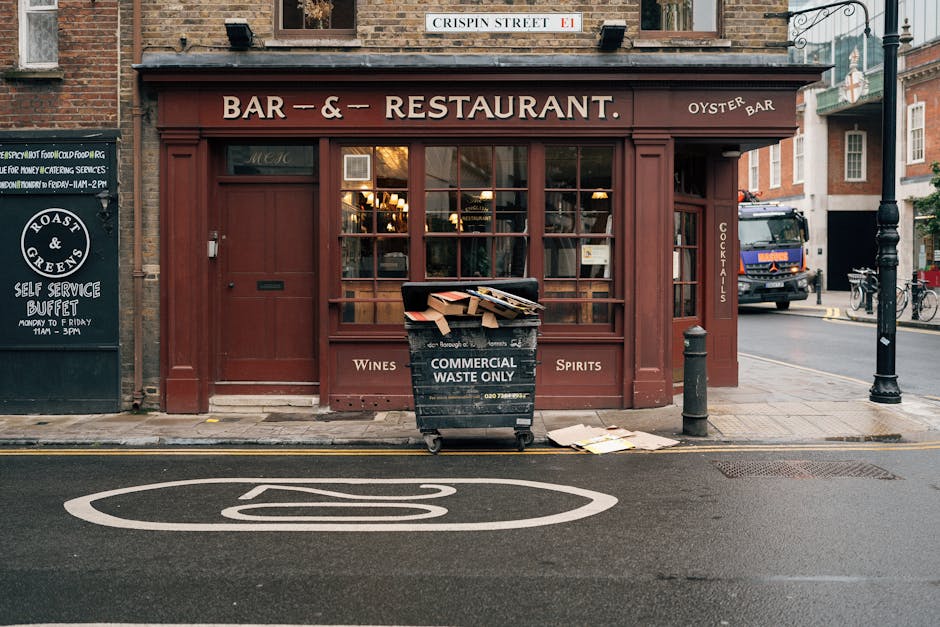
If you are dealing with a flat clear-out on or near Fulham Road, you probably want the same three...
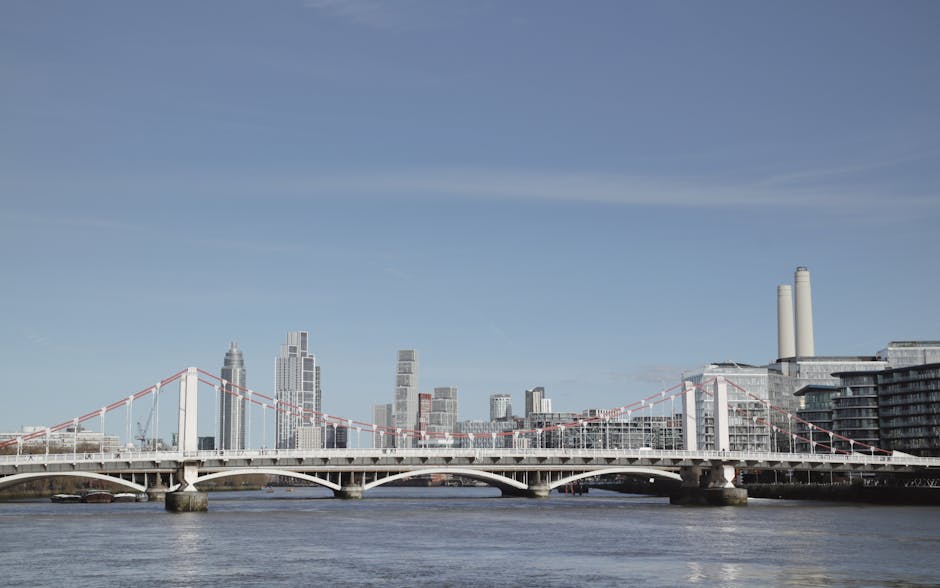
Chelsea Harbour looks effortless from the outside: sleek apartments, waterside walkways, polished...

If you are trying to sort Sloane Square bulky waste collection Chelsea, you probably do not need...

If you live, work, or manage property near Kings Road, rubbish removal can feel deceptively...

Purchasing property in Chelsea, one of London's most prestigious neighborhoods, requires a...

Chelsea, a vibrant and eclectic neighborhood in New York City, is known for its trendy art...

Chelsea, often recognized as one of London's most prestigious neighborhoods, is a place that...

Chelsea, a chic and upscale neighborhood in the heart of London, is renowned for its vibrant...

When it comes to prime real estate investment opportunities, few places in the world can rival...

 (83)