Fulham Road flat clearance and rubbish removal tips Chelsea
Posted on 08/08/2026
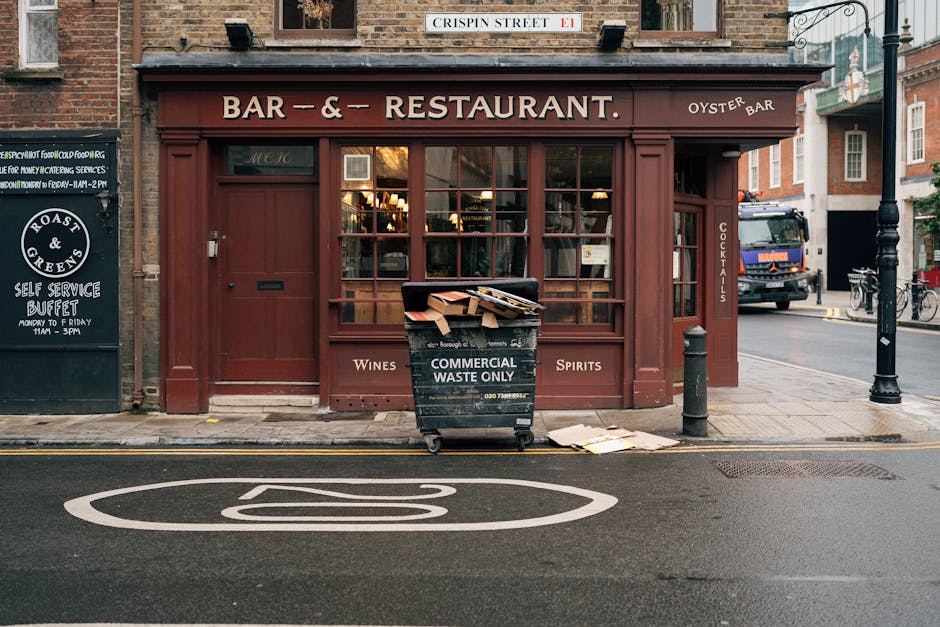
If you are dealing with a flat clear-out on or near Fulham Road, you probably want the same three things: less stress, less mess, and no awkward surprises on the day. The tricky bit is that flat clearance and rubbish removal in Chelsea is rarely just a matter of "take it away". There are stairwells, parking restrictions, bulky items, neighbour considerations, and the usual pile of things that seem harmless until you try to move them. This guide gives you practical Fulham Road flat clearance and rubbish removal tips Chelsea residents can actually use, whether you are moving out, refurbishing, handling an inherited property, or just reclaiming a room that has slowly become a storage cave. It is straightforward advice, with a local lens and a few hard-won lessons.
For readers who want broader context on the neighbourhood and property decisions around the area, you may also find should you move to Chelsea local advice and expert real estate advice for Chelsea buyers useful alongside the practical clearance advice below.
Why Fulham Road flat clearance and rubbish removal tips Chelsea matters
Fulham Road sits in a part of London where space is precious and timing matters. Flats are often compact, access can be tight, and one badly planned clearance can block a hallway, upset a neighbour, or turn into a whole day of lifting, carrying, and second-guessing. That is why a clear plan matters more than people expect. A flat clearance is not just about removing items; it is about creating a safe route, separating what can be reused or recycled, and making sure nothing gets dumped where it should not be.
In Chelsea, the practical challenges are often less dramatic than people imagine, but more annoying in day-to-day life. Think narrow staircases, limited kerb space, lift bookings, concierge rules, and residents who would quite like their morning coffee without the sound of a wardrobe banging down the stairs. If you are clearing a place along Fulham Road, a bit of preparation saves a lot of friction. Truth be told, most "urgent" clearances become easier the moment someone makes decisions earlier.
This topic also matters because a proper clearance can protect the value and presentation of a property. That is particularly relevant if you are preparing a sale, tenancy handover, refurbishment, or probate clean-out. For anyone thinking about the property side of Chelsea life, the articles on investing in Chelsea real estate and discovering the soul of Chelsea can give a broader sense of why keeping homes well managed here is so often worth the effort.
Expert summary: The best clearance jobs in Chelsea are not the fastest at the start; they are the ones planned properly. Sort first, lift safely, protect shared spaces, and choose the removal method that fits the building, not just the pile of waste.
How Fulham Road flat clearance and rubbish removal works
At a practical level, flat clearance usually follows a simple sequence: assess the items, decide what stays and what goes, remove everything safely, and ensure the waste is handled properly afterwards. But the details change depending on the property. A studio with two large items is a very different job from a three-bedroom flat full of furniture, white goods, old boxes, and a few mystery bags nobody wants to open.
The process generally starts with a visual sort. This is where you separate personal items, valuables, documents, reusable furniture, and waste. After that, the clearance method depends on volume and access. Smaller loads may suit a straightforward rubbish collection, while larger or more mixed loads often need a more structured clearance service. If the job includes sofas, tables, beds, or cupboards, furniture removal becomes the real time-saver. And if there are broken appliances, it helps to handle those as part of a dedicated appliance disposal plan rather than treating them like ordinary rubbish.
In a Chelsea flat, access often shapes everything. For example, if the lift is small or booked, you may need to stage items by room before moving them. If the building has rules about loading bays, you may need to work around timed access. If the staircase is steep or shared, you should think about protection for walls and handrails before anything heavy is moved. It sounds obvious written down, but in the moment people forget. Then there is that awkward silence when a chest of drawers clips a painted wall. Not ideal.
For a more service-led overview, the pages on services overview and waste clearance Chelsea are useful if you want to understand the general shape of professional waste support before you choose a route.
What usually happens on the day
- Items are checked room by room.
- Reusables and keepers are moved aside first.
- Bulky furniture is removed in the safest order, usually largest items first.
- Bagged waste, loose rubbish, and mixed items are loaded separately where possible.
- The space is swept through at the end so the property is left tidy enough for the next step.
Key benefits and practical advantages
Good clearance work gives you more than an empty room. It gives you momentum. Once the clutter goes, decisions become simpler. Rooms feel larger, access improves, and you can finally see what needs attention. That matters whether you are getting ready for decorators, a lettings inspection, or just trying to make a flat liveable again.
There are also practical money-saving benefits. If you sort carefully before removal, you may reduce the amount of mixed waste, which is often the least efficient type to handle. Reusable furniture can be separated from broken items. Clean cardboard can be flattened. Electricals can be set apart for specialist handling. Small improvements like that do not sound dramatic, but over a whole clearance they make the job cleaner and easier.
Another benefit is reduced stress for everyone involved. Residents, landlords, agents, and family members all tend to relax once the space is under control. That can be especially helpful in probate situations or end-of-tenancy deadlines, where emotions are already a bit frayed. A well-managed job feels calmer. More human, too.
If your clearance includes larger household items, it can help to think in categories. Sofas and wardrobes may suit furniture removal Chelsea, while smaller mixed loads often sit better under rubbish collection Chelsea. The right match usually makes the whole job feel simpler.
- Cleaner rooms with less visual noise
- Less risk of damage in hallways and stairwells
- Faster handover for landlords, agents, or buyers
- Better sorting for reuse and recycling
- Less lifting chaos on a busy street
Who this is for and when it makes sense
This kind of clearance advice is useful for a lot of people, not just people moving house. In Chelsea, flats change hands often, and the reasons for clearing them are varied. A tenant leaving at short notice. A homeowner doing a deep refresh. A family managing a relative's estate. A landlord preparing for new occupants. A homeowner who finally admits the spare room has become an archive.
It also makes sense when the property is being renovated. Builders do their job best when the space is clear, and nobody wants old furniture, broken shelving, or bags of unwanted bits lingering in the way. For those situations, it can be worth looking at builders waste disposal Chelsea alongside general clearance. The two can overlap more than people expect.
And yes, it makes sense for smaller jobs too. One bulky mattress, a fridge that stopped working months ago, or a pile of mixed household waste can be enough to justify getting organised rather than wrestling with it all yourself. If you are based near the main road, or near tighter side streets off Fulham Road, the approach matters even more. A job that looks tiny on paper can become annoying if access is poor. Sometimes the smallest clear-out turns out to be the most fiddly. Funny how that works.
Typical scenarios where this advice helps
- End-of-tenancy clear-outs with furniture and bagged waste.
- Flat sales where presentation matters before viewings.
- Probate or inherited properties with mixed contents.
- Refurbishment prep with old fittings, timber, and packaging.
- One-off bulky item removal from upper floors.
Step-by-step guidance
If you want a smooth clearance, do not start with lifting. Start with sorting. That single choice saves time, reduces mistakes, and makes the removal process feel much less chaotic. Here is a practical sequence that works well for most Fulham Road flats.
1. Walk through the whole flat first
Take a proper look at every room, cupboard, balcony, storage nook, and utility area. People always forget at least one corner. Usually the top shelf. Or the box under the bed that contains cables for gadgets nobody owns anymore.
2. Make three piles: keep, remove, and unsure
The "unsure" pile is important. It stops you making rushed decisions while boxed in by time pressure. Put documents, sentimental items, and valuables there first, then revisit after the obvious rubbish is out.
3. Identify awkward items early
Large mirrors, glass tables, wardrobes, old mattresses, and appliances should be flagged before moving day. If a flat includes fridges, freezers, washing machines, or cookers, separate them so you can plan handling properly. A dedicated white goods and appliance disposal Chelsea approach is often safer and cleaner than treating appliances as standard waste.
4. Check the access route
Measure doorways if needed. Look at stair widths. Check whether the lift is usable. Decide where bulky items can be staged. This step sounds tedious, but it is the difference between a tidy plan and a very sweaty conversation in the hallway.
5. Protect shared areas
Use floor coverings or moving blankets where sensible. Keep doors open or closed according to building rules. Avoid dragging items over painted edges or polished surfaces. In older Chelsea buildings, finishes can be more delicate than they look.
6. Load in the right order
Usually the best order is: biggest furniture first, then medium items, then bags and loose waste. That makes the vehicle space easier to use and reduces double-handling. It is not glamorous, but it works.
7. Finish with a quick final sweep
Once the clutter is gone, check behind radiators, under cabinets, and in the back of cupboards. A flat can look empty and still hide half a bag of odds and ends. You will notice the difference immediately if you give the space that final pass.
Expert tips for better results
After enough clearance jobs, a few patterns become obvious. The best results come from thoughtful preparation, not brute force. A room-by-room approach is slower at the start, but it prevents the kind of last-minute confusion that costs time and energy.
First, keep valuables and paperwork separate from anything destined for removal. This sounds basic, yet it is the most common source of frustration in a rushed clear-out. Important letters, passports, keys, and old photographs often hide in drawers or boxes that look like rubbish at a glance. Give them a proper check.
Second, do not overfill bags. Heavy mixed bags tear, injure handlers, and make stair carry-outs harder than they need to be. If something is dense or awkward, treat it separately. A bag full of books is not the same as a bag full of soft household waste, and everyone knows it once they try to lift it.
Third, if you can, group items by destination: donate, recycle, remove, or keep. That tiny bit of discipline pays off. It also makes it easier to use a reputable recycling-focused service later. For readers who care about lower-waste disposal habits, recycling and sustainability is worth a look.
Fourth, ask about insurance and handling before booking. If there is furniture down a tight staircase or a fragile communal entrance, that matters. A professional team should understand these risks and work carefully. The point is not just moving things; it is moving them without creating a new problem.
Finally, if your flat is near a busier stretch of Fulham Road, think about timing. Mid-morning often feels calmer than the school run or the evening rush. A quiet hour can save a surprising amount of friction. Not always, but often enough.

Common mistakes to avoid
Most bad clearance experiences come from a small handful of avoidable errors. Nothing exotic. Just rushed decisions and too much optimism.
- Starting without sorting first. This makes the job slower and creates confusion about what is actually leaving.
- Ignoring access issues. Tight staircases, limited parking, and lifts all change the plan.
- Mixing everything together. Reusables, electricals, and general waste should not all end up in one heap if you can help it.
- Underestimating weight. One box of books can feel innocent until you are halfway down three flights.
- Leaving the final sweep until the very end of the day. This often means forgotten items stay behind.
- Booking the wrong type of service. A small rubbish job is different from a full flat clearance, and a mixed job may need both.
Another common mistake is failing to communicate with building management or neighbours where required. In a busy Chelsea block, that can create avoidable tension. A quick heads-up goes a long way. Honestly, a calm building is a gift.
Tools, resources and recommendations
You do not need a van full of gadgets to handle a flat clearance well, but a few practical items help a lot. Strong sacks, protective gloves, a tape measure, masking tape, marker pens, and old blankets or floor coverings can make a big difference. A trolley or sack truck can help for heavier items if the route allows it, though it is not always suitable for narrow staircases.
It also helps to use plain labels on boxes or tape markers on doors so everyone knows what stays and what goes. If you are working through a large property, a simple room-by-room note list is still one of the best tools around. Old-fashioned, yes. But effective.
For people deciding how the removal itself should be handled, the most useful resources on-site are usually the service pages that explain the type of job in plain English. Depending on what you have, consider whether the clearance is best grouped as house clearance Chelsea, loft clearance Chelsea, office clearance Chelsea, or simply a domestic waste collection Chelsea job. Matching the method to the material is usually the smart move.
Law, compliance, standards, or best practice
When waste is being removed from a flat in Chelsea, compliance is not something to treat casually. In the UK, waste should be handled by a properly authorised carrier, and it is wise to check that anyone taking away rubbish can show they are operating legitimately. You do not need to become an expert in waste law overnight, but you should be satisfied that the material is being handled responsibly.
There are also practical best practices that matter even when no one is quoting regulations. For example, hazardous items should be separated and treated carefully. Paint, certain chemicals, and some electrical waste may need specific handling. If you are unsure, say so before the job begins rather than hoping it will sort itself out later. It usually does not.
Safety is another part of compliance in the real world. Good manual handling, appropriate lifting techniques, and sensible route planning reduce the risk of damage or injury. A reputable provider should also think about insurance and building protection. If you want to understand how that side of the business is approached, waste carrier licence and compliance and insurance and safety are useful references.
In practical terms, the best standard is simple: do the job properly, keep records and permissions tidy, and make sure nothing ends up dumped where it should not be. That is really the heart of it.
Options, methods, or comparison table
Not every flat clearance in Chelsea needs the same approach. Some jobs are better handled as a light rubbish collection, while others really need a fuller clearance service. The table below gives a simple comparison to help you choose the right path.
| Method | Best for | Pros | Watch-outs |
|---|---|---|---|
| Self-clearance | Very small loads, personal sorting, items you can move safely | More control, gradual pace, can be economical | Time-consuming, physically demanding, disposal responsibility stays with you |
| Targeted rubbish collection | Bagged waste, a few bulky bits, quicker one-off jobs | Simple, efficient, less disruption | Not ideal for mixed contents or awkward furniture |
| Full flat clearance | End-of-tenancy, probate, refurbishment, full emptying | Most comprehensive, saves effort, handles mixed loads better | Needs clearer planning and access coordination |
| Specialist item disposal | Appliances, heavy furniture, specific bulky items | Safer for awkward items, often cleaner and more organised | May need separate grouping and advance notice |
If your flat is mostly furniture, it may be best to lean towards furniture disposal Chelsea. If your issue is more general household waste, a simple waste disposal Chelsea arrangement might be enough. One of the most common mistakes is choosing a broad solution when a narrower one would have been easier. Or the other way round. It happens.

Case study or real-world example
Here is a realistic example, based on the kind of job that comes up regularly in Fulham Road flats. A two-bedroom flat needed clearing before new tenants moved in. The property had a sofa, two beds, a table, a broken washing machine, several bags of household waste, and a stack of old paperwork and odds and ends in a cupboard near the hall. Access was through a shared entrance with a narrow staircase and limited room at the bottom landing.
The first step was to sort personal papers and valuables from general items. That took less than half an hour, but it made a huge difference. Next came the larger furniture, which was moved out first so the route stayed clear. The washing machine was set aside as a separate item, not shoved into the general waste pile. Bags were checked for weight before lifting. A few pieces of furniture were too awkward to keep, but could still be separated from the mixed rubbish so they were easier to load.
The most useful decision was not dramatic at all: the team staged items in the largest room before moving them down the stairs. That reduced hallway congestion and kept the building calmer. No drama, no damage, no one trying to squeeze a wardrobe around a corner like a magician with a bad idea.
At the end, the flat was left empty, swept through, and ready for cleaning and inspection. The key lesson? The job became easy because the small decisions were handled early. That is usually how it goes.
Practical checklist
Use this as a last-minute sanity check before your clearance day.
- Walk through every room, cupboard, loft space, and storage area.
- Separate keepers, valuables, paperwork, and sentimental items.
- Group furniture, appliances, and general rubbish into clear categories.
- Check the lift, stairs, entrance, parking, and loading access.
- Protect flooring and shared walls where needed.
- Confirm whether any electricals or special items need separate handling.
- Flatten cardboard and tie bags securely.
- Tell neighbours or building management if access will be disrupted.
- Have a final sweep plan so nothing is left behind.
- Choose a removal option that fits the volume and access conditions.
And if you are still unsure, pause for ten minutes and look at the flat again. You will usually spot the weak point almost immediately.
Get a free quote today and see how much you can save.
Conclusion
Fulham Road flat clearance and rubbish removal in Chelsea works best when the job is treated as a sequence, not a scramble. Sort first. Protect the access route. Choose the right removal method. Keep special items separate. That simple framework can turn an awkward, tiring job into something controlled and manageable.
There is nothing glamorous about clearing a flat, of course, but there is a lot to like about the feeling afterwards. Empty rooms feel calmer. Decisions feel lighter. The whole place breathes a bit better. If you are preparing a move, a refurbishment, or a handover, a careful clearance can make the next stage much easier. And in a neighbourhood like Chelsea, where space and time both matter, that is no small thing.
Take it one room at a time, and be kinder to yourself than you might be when staring at the pile in the corner. It will get done.

 Tipper Van - Waste Disposal and Waste Removal Prices in Chelsea, SW3
 Luton Van - Waste Disposal and Waste Removal Prices in Chelsea, SW3